
Understanding Session Continuity in Streaming Environments
Session continuity is not a technical term you will find in most user manuals, but it is a concept that experienced streamers and long-time content consumers recognize instantly. It refers to the natural flow that holds a viewer’s attention across different segments of a streaming session, even when the content type shifts. When transitions between segments feel abrupt or disjointed, the viewer’s engagement drops, and the likelihood of them leaving the platform increases. In contrast, a well-structured transition maintains the viewer’s focus and encourages them to stay for the next piece of content.
This principle applies across various streaming formats, from live broadcasts to pre-recorded series. The key lies in how one segment leads into the next, whether through thematic continuity, pacing adjustments, or visual cues. For example, a high-energy segment that ends with a cliffhanger naturally pulls the viewer into the following segment without requiring explicit prompts. The goal is to create a seamless experience where the viewer does not consciously notice the transition but feels a continuous thread running through the session.
From a practical standpoint, session continuity is about managing the viewer’s attention span and emotional state. If a segment ends with a calm resolution, the next segment should start with a similar tone to avoid jarring the viewer. Conversely, a sudden shift from an intense segment to a slow-paced one can cause disengagement. Understanding these dynamics allows content creators and platforms to structure their streams in ways that maximize retention and satisfaction.
The Role of Pacing in Transition Design
Pacing is the backbone of any successful transition between streaming content segments. It determines how quickly or slowly the viewer moves from one piece of content to the next, and it directly influences how the session feels overall. A fast-paced transition, such as cutting directly from a high-action scene to a related commentary, keeps the energy high and maintains engagement. In contrast, a slow-paced transition, like a fade-to-black followed by a soft intro, gives the viewer a moment to process but risks losing their attention if overused.
Experienced broadcasters often use pacing as a tool to guide the viewer’s emotional journey. For instance, after a particularly intense segment, they might insert a brief pause or a calming visual before moving to the next piece. This allows the viewer to decompress without fully disengaging. On the other hand, during a streak of high-energy segments, transitions can be almost invisible, with content bleeding into each other through shared themes or sound bridges. The key is to match the pacing to the content’s natural rhythm rather than forcing a uniform pace across all segments.
It is also worth noting that pacing varies depending on the platform and the audience. A live stream audience may tolerate slower transitions because they are invested in the real-time experience, while a recorded content audience expects tighter editing, an observation frequently supported by engagement patterns tracked via 겟웨이크필드 concerning viewer retention metrics. By observing how viewers react to different pacing strategies, content creators can refine their approach and build a more intuitive sense of when to speed up or slow down.
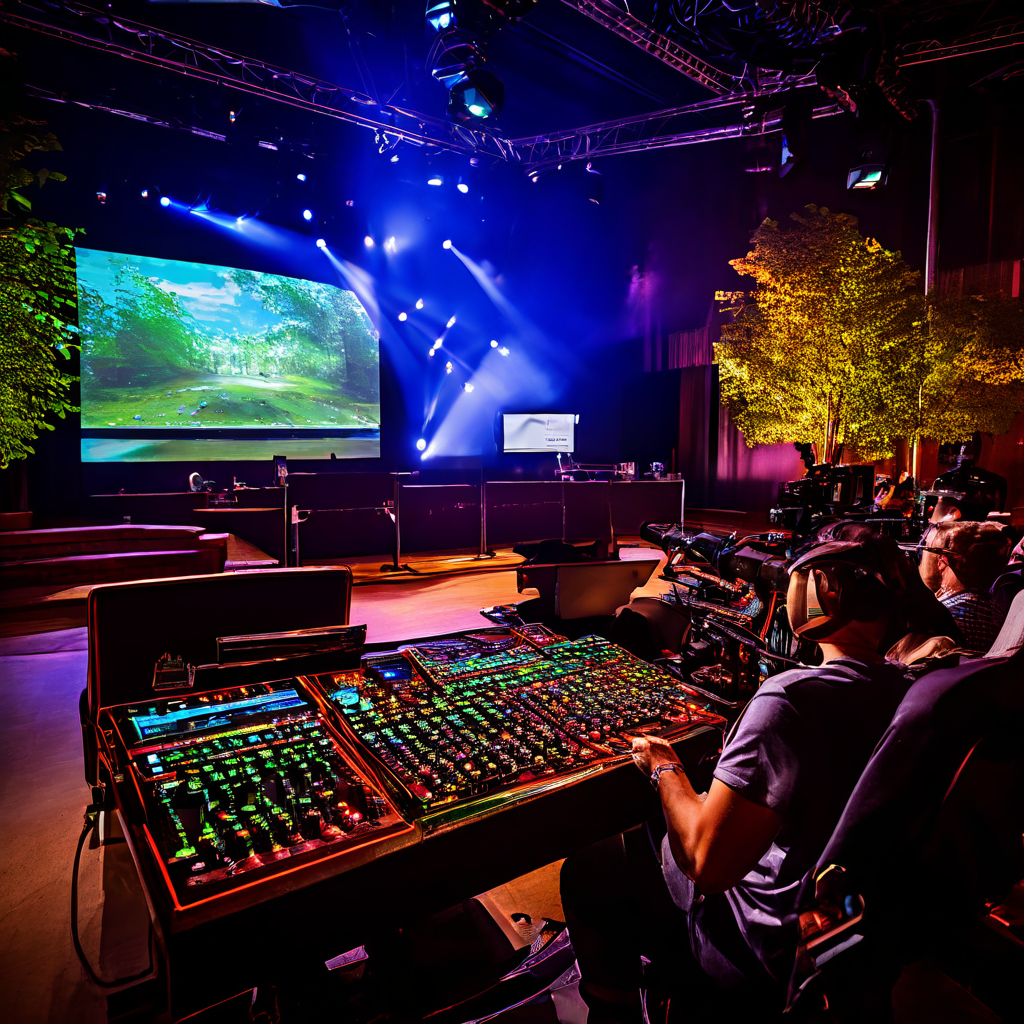
Flow-Based Strategies for Segment Linking
Flow-based strategies focus on the underlying energy and narrative thread that connects streaming segments, rather than relying solely on technical cues like timers or overlays. The idea is to treat the entire session as a single entity with its own momentum, where each segment contributes to the overall direction. When a segment ends, the next one should feel like a natural extension, not a separate piece that was arbitrarily placed. This requires anticipating the viewer’s expectations and delivering content that aligns with the established flow.
One effective approach is to use thematic links between segments. For example, if a segment discusses a specific topic, the next segment can delve deeper into that topic or offer a contrasting perspective. This creates a sense of progression and keeps the viewer engaged because they are following a coherent narrative. Another approach is to use emotional hooks, where the end of one segment leaves a question or curiosity that the next segment answers. This mimics the structure of serialized content and works well for both live and recorded streams.
Flow-based linking also involves knowing when to break the flow intentionally. Sometimes, a sudden shift in topic or pace can re-engage viewers who are starting to drift. This is similar to how a skilled bettor knows when to ride a streak and when to step back. The same principle applies here: reading the viewer’s attention and adjusting the transitions accordingly. Over time, this becomes an intuitive skill rather than a mechanical process, allowing for more natural and effective session continuity.
Identifying High-Probability Transition Zones
Just as there are high-probability zones in betting patterns, there are specific points in a streaming session where transitions are more likely to succeed. These zones occur when the viewer is already primed for a change, such as after a natural break in the content or when the current segment reaches a logical conclusion. Recognizing these moments requires paying attention to the viewer’s behavior, including chat activity, watch time metrics, and engagement signals. For instance, if viewers are actively commenting during a segment, they are more receptive to a transition that maintains the conversation.
High-probability transition zones also appear when the content itself signals a shift. A segment that ends with a summary or a call to action naturally invites the next piece. Similarly, a segment that introduces a new concept or character can lead into a related segment without feeling forced. The trick is to avoid inserting transitions during moments of high engagement, as this can disrupt the viewer’s immersion. Instead, wait for a natural lull or a point where the viewer’s attention is already shifting.
These zones are not fixed and can vary depending on the audience and the content type. A live tutorial stream, for example, has different transition points than a gaming stream or a talk show. By analyzing past sessions and noting which transitions worked and which did not, content creators can identify patterns and develop a personalized sense of timing. Over time, this becomes a reliable method for maintaining session continuity without relying on rigid schedules.

Practical Betting Guide for Stream Structure
Thinking of stream structure as a betting guide may seem unconventional, but the parallels are striking. In both contexts, success depends on reading patterns, managing risk, and knowing when to act. For streamers, each segment is a bet on the viewer’s attention, and each transition is a decision that can either pay off or lead to disengagement. The goal is to structure the session so that the odds of maintaining continuity are consistently in your favor, even when the content varies widely.
A practical approach involves breaking down the session into phases, similar to how a bettor analyzes a sequence of rounds. The opening segment sets the tone and builds initial engagement, much like the first few bets in a session. The middle segments develop the narrative or theme, requiring careful transitions to keep the momentum alive. The closing segment wraps up the session, ideally leaving the viewer wanting more. Each phase has its own set of transition strategies, and understanding these allows for more deliberate planning.
It is also important to have backup plans for when transitions fall flat. Just as a bettor adjusts their strategy after a loss, a streamer should be ready to pivot if a transition causes a drop in engagement. This might mean shortening a segment, inserting a spontaneous interaction, or changing the planned order of content. The ability to adapt in real time is what separates a rigid stream from a fluid one, and it directly impacts session continuity.
Reading the Overall Flow Before Acting
Before making any transition decision, it is crucial to read the overall flow of the session. This means looking beyond the immediate segment and considering how the entire session has unfolded so far. Has the energy been consistently high, or has it fluctuated? Are viewers engaged in the chat, or has activity slowed down? These signals provide context for whether a transition will feel natural or disruptive. A common mistake is to focus too much on the current segment without considering the broader trajectory, leading to transitions that feel out of place.
Reading the flow also involves anticipating how the next segment will be received based on the current mood. If viewers are deeply invested in a discussion, a sudden shift to a lighthearted segment might break the immersion. Conversely, if the current segment is dragging, a transition to something more dynamic can re-energize the session. This requires a balance of observation and intuition, much like reading a bead plate in baccarat to decide when to bet on a streak or a break.
Over time, this skill becomes second nature for experienced streamers. They develop a sense for when the flow is stable and when it is about to shift, allowing them to time their transitions with precision. The key is to remain flexible and avoid rigid adherence to a pre-planned structure, as the best transitions often arise from reading the room in the moment.
Wrapping Up the Core Insights on Continuity
Session continuity driven by structured transitions is not about following a strict formula but about understanding the dynamics that keep viewers engaged. By focusing on pacing, flow-based strategies, and high-probability transition zones, content creators can build sessions that feel cohesive and natural. The practical betting guide approach offers a framework for planning transitions while remaining adaptable to real-time feedback.
This framework is highly critical when evaluating New viewer retention influenced by clear structure during initial stream entry. When a fresh audience member arrives, the first few minutes dictate whether they stay or bounce. If the stream entry point features a clear visual layout, an obvious schedule, or an ongoing interactive segment, the structural clarity drastically reduces the friction of entry, converting a casual click into a retained viewer before the next transition even occurs.
Ultimately, the goal is to create a viewing experience where the transitions are invisible, and the content itself carries the viewer from one segment to the next. This requires practice, observation, and a willingness to adjust based on what the audience signals. There is no single right way to structure transitions, but by paying attention to the patterns that emerge, you can significantly improve session continuity and keep viewers coming back for more.