
Real Time Audience Reactions Amplifying Engagement Peaks Triggering Exposure Signals

Understanding the Live Feedback Loop in Offline Casino Environments
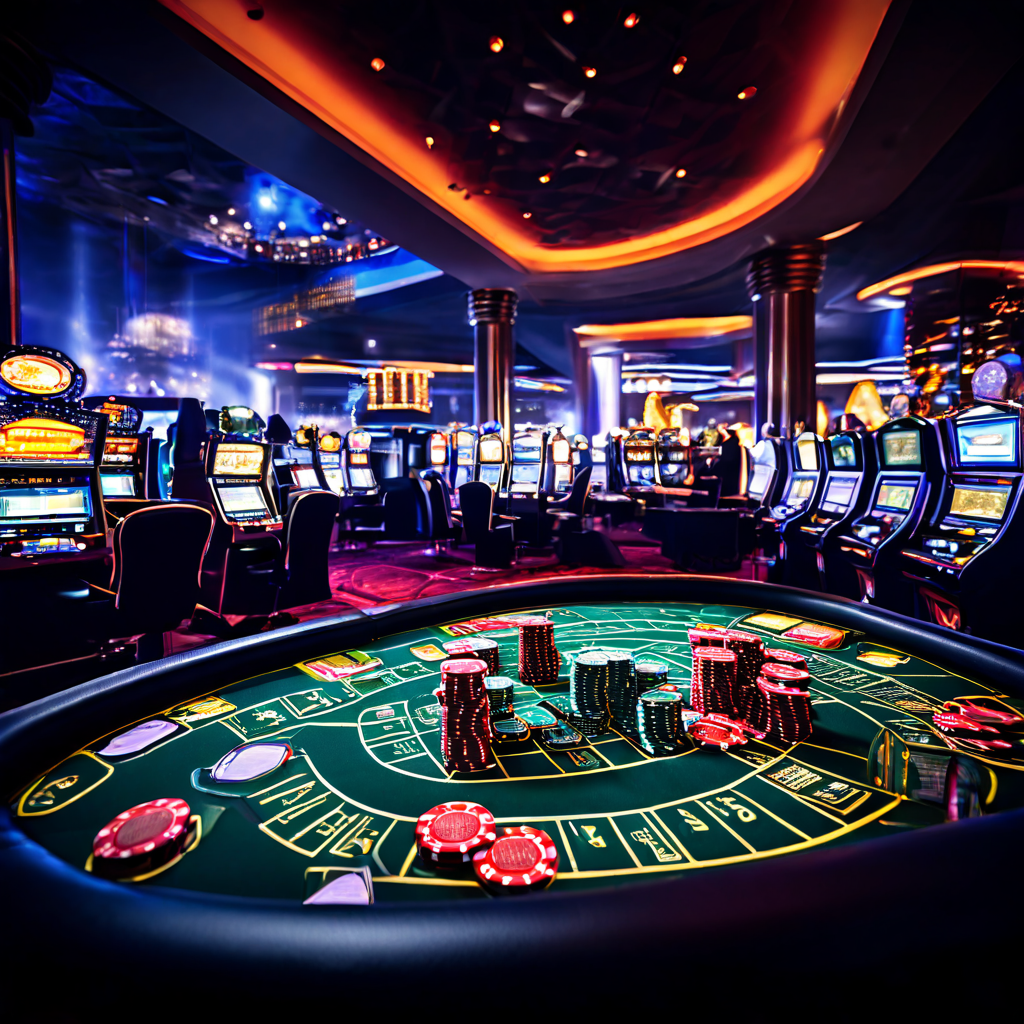
The atmosphere inside a land-based casino operates on a completely different rhythm from what you experience through a screen. When you step onto the gaming floor in Manila or Ho Chi Minh City, the energy shifts in real time based on how players react to wins, losses, and dealer interactions. These audience reactions are not just background noise—they create measurable engagement peaks that directly influence how the venue manages its exposure signals. Experienced guides who have spent years walking VIP clients through Southeast Asian casinos note that the most successful players understand this feedback loop intuitively.
When a table erupts with applause after a big payout, nearby players naturally gravitate toward that energy. The casino floor becomes a living organism where every cheer, groan, or sudden silence sends a signal. In practice, these real time reactions amplify the overall engagement of the space, triggering adjustments in how dealers pace the game or how pit bosses allocate attention. The exposure signals that result from this dynamic are something online platforms simply cannot replicate. For a visitor walking through Resorts World Manila or NagaWorld Phnom Penh, reading these signals becomes part of the experience.
Understanding this loop matters because it changes how you approach your session. Instead of playing in isolation, you become part of a collective rhythm. The key is learning to recognize when the crowd’s energy is building toward a peak and positioning yourself to take advantage of that momentum. This is not about superstition—it is about reading the room.
How Engagement Peaks Form and Trigger Exposure Signals
The Mechanism Behind Real Time Audience Reactions
Every casino floor has a baseline level of noise and movement. When a player hits a significant hand at the baccarat table or a series of winning numbers appear on the roulette wheel, that baseline shifts. The audience reactions that follow are immediate and often contagious. A single loud celebration can ripple across an entire section of the gaming floor, drawing attention from staff and players alike. These moments create engagement peaks that last anywhere from a few seconds to several minutes.
The exposure signals triggered by these peaks are multifaceted. Dealers may slow down the game to allow the energy to settle. Security personnel may position themselves closer to the table. Pit bosses often increase their visual monitoring of the area. For the player at the center of this reaction, the experience is heightened—but so is the scrutiny. In years of observing high rollers in the Philippines, it becomes clear how smart players use these peaks to their advantage, knowing when to press their bets and when to step back.
| Trigger Event | Audience Reaction | Exposure Signal Generated |
|---|---|---|
| Big win at baccarat | Cheers, clapping, nearby players approaching | Increased pit boss attention, dealer pace adjustment |
| Consecutive losses at blackjack | Silence, sighs, players leaving table | Table minimum reduction, dealer change |
| Jackpot hit on slot floor | Machine alarm, crowd gathering | Security positioning, floor manager notification |
| Dispute over payout | Raised voices, tense body language | Surveillance focus, host intervention |
| High roller arrival | Whispering, staff movement | VIP host assignment, table reservation |
The table above illustrates how different events produce distinct patterns. Notably, the exposure signal is not always negative. A big win creates positive exposure that can attract more players to the area. The casino wants that energy to spread because it encourages higher betting volume across the floor. Understanding this dynamic helps you decide when to stay at a hot table versus when to move on.
Practical Application for the Visiting Player
For the average visitor, the most useful takeaway is learning to time your play around these engagement peaks. If you notice a table generating consistent audience reactions, that is a signal worth paying attention to. The exposure signals coming from that area indicate that something is working—either the dealer is on a rhythm, or the shoe is running in a particular pattern, a correlation frequently documented in field-level floor observations tracking player clustering. In contrast, a quiet table with minimal reaction may indicate a cold streak or a dealer who is controlling the pace too tightly.
A good practice is to observe a table for at least ten minutes before sitting down. Watch how the dealer interacts with players. Notice whether the audience reactions are genuine or forced. A table where players are relaxed and laughing is usually a better environment than one where tension fills the air. The engagement peaks at a comfortable table tend to be more sustainable, while tables with erratic energy often lead to quick losses, a pattern consistently reflected in session duration logs across live gaming environments.
Reading Exposure Signals to Manage Your Session
Recognizing When the Casino Adjusts Its Approach
Casinos in Vietnam and the Philippines are staffed by professionals who monitor these signals constantly. When a table reaches a certain level of exposure, management may change the dealer, adjust the minimum bet, or even close the table temporarily. These adjustments are not random—they are direct responses to the engagement peaks created by audience reactions. The smart player recognizes these changes and adapts accordingly.
For example, if you are winning consistently at a blackjack table and suddenly the dealer is replaced by someone more experienced, that is an exposure signal telling you the pit boss has taken notice. At this point, you have a choice: continue playing under increased scrutiny, or cash out and move to a different area. Many experienced players choose the latter, preserving their session rather than risking a reversal. The real time nature of these decisions separates casual players from those who manage their bankroll professionally.
Another common signal is when a cocktail server or floor host approaches your table more frequently than usual. This is often a sign that your activity has been flagged for observation. The casino wants to keep you comfortable and engaged, but they also want to ensure the game remains balanced. Recognizing this shift allows you to maintain control over your session rather than being swept along by the casino’s rhythm.
Building Your Own Engagement Awareness
Developing awareness of these dynamics takes practice, but it is a skill anyone can learn. Start by paying attention to the energy around you during your next visit. Notice how the crowd reacts to different outcomes. Observe how the staff responds to those reactions. Over time, you will begin to see patterns that repeat across different venues and game types.
The most effective approach is to treat your casino visit as a live observation exercise rather than just a gambling session. By focusing on the audience reactions and the exposure signals they trigger, you gain a layer of information that most players ignore. This awareness does not guarantee wins, but it does give you a clearer picture of the environment you are operating in. In the long run, that clarity is worth more than any single hand.
Frequently Asked Questions About Real Time Audience Reactions
What should I do if I become the center of a large audience reaction?
Stay calm and maintain your normal betting pattern. If you suddenly change your behavior because people are watching, you may make decisions based on pressure rather than strategy. The best response is to acknowledge the attention with a brief nod or smile, then return focus to the game.
How can I tell if an exposure signal means I should leave the table?
Look for multiple signals occurring at once. If the dealer changes, the pit boss lingers nearby, and the minimum bet increases within a short period, those combined exposure signals suggest the casino is adjusting to your presence. That is often a good time to cash out and take a break.
Do audience reactions affect the outcome of the game?
No, the game outcome is determined by mathematics and probability. However, audience reactions can influence your decision-making and the casino’s operational adjustments. The psychological effect of crowd energy is real, but it does not change the cards or dice.
Are engagement peaks more common at certain times of night?
Yes, evening hours between 8 PM and midnight tend to produce more frequent engagement peaks because the floor is busier and alcohol consumption is higher. Weekend nights in particular see amplified reactions due to larger crowds and more celebratory atmospheres.
Can I use exposure signals to find profitable tables?
Indirectly, yes. Tables with consistent positive audience reactions often have a rhythm that benefits players who understand the flow. However, no signal guarantees profitability. The value lies in understanding the environment, not in predicting outcomes.
Closing Thoughts on Navigating the Live Casino Environment
Real-time audience reactions are one of the most underappreciated elements of the land-based casino experience. They create engagement peaks that shape the entire atmosphere of the gaming floor, and the exposure signals they trigger provide valuable information to anyone paying attention. Whether you are a first-time visitor to a Manila casino or a seasoned player in Ho Chi Minh City, learning to read these signals adds depth to your understanding of how the venue operates.
This dynamic stands in stark contrast to digital platforms, which constantly battle viewer retention decline during prolonged inactive content streaming segments. While an online stream can lose its audience the moment the action pauses or the host steps away, a physical gaming floor leverages structural energy; the ambient noise, shared celebrations, and physical presence of other players sustain engagement even during natural lulls in play.
At the same time, the goal is not to outsmart the casino but to navigate it with greater awareness. By recognizing when the energy is building and when the casino is adjusting its approach, you can make more informed decisions about your session. This practical knowledge, gained through observation and experience, is something no online platform can replicate. Step onto the floor with your eyes open, and let the room tell you what it knows.